Updated 25 October 2026
Off the Plan Potential Problem #44: Privacy Issues
Before buying an off-the-plan apartment in NSW, check who will be able to see into its bedrooms, living areas and balcony. Also consider what you may hear through adjoining walls and floors. An attractive floor plan or a promise of private living cannot answer those questions on its own. The development approvals, contract documents and technical specifications need to be examined together, preferably before you exchange contracts.
At CM Lawyers, we recommend identifying the privacy features that matter to you early. Your legal options after purchase depend on what was approved, promised and built, and whether an enforceable obligation has been breached. Disappointment with the finished apartment does not automatically entitle you to cancel the purchase or receive compensation.
Look beyond the apartment boundary
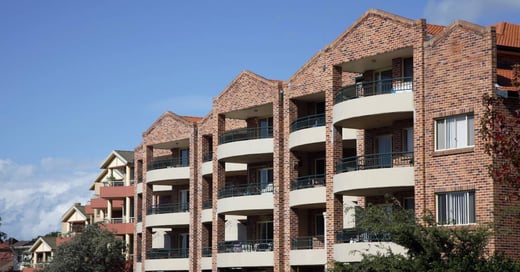
Visual privacy concerns include neighbouring windows, balconies overlooking bedrooms and communal pathways beside private courtyards. A pool, rooftop terrace or shared entrance can bring regular activity close to living spaces. Review the whole development, including neighbouring buildings, rather than concentrating only on your apartment’s internal layout.
Ask for elevations and sections showing heights and sightlines, as well as the floor plan. Check whether proposed screens are fixed, adjustable or merely illustrated. Landscaping may take years to provide the screening shown in an artist’s impression. Consider daytime and night-time conditions, and whether gaining privacy would require keeping blinds closed while sacrificing daylight or ventilation.
Inspect the surrounding streets and check adjoining development applications and approvals. An empty site beside the project may later contain another building. Current plans cannot guarantee that neighbouring land will remain undeveloped, so obtain planning advice where future development could materially affect your decision.
Understand the planning controls
For qualifying apartment developments, NSW planning assessment considers the Apartment Design Guide. Section 3F deals with visual privacy, while section 4H addresses acoustic privacy. Chapter 4 of the State Environmental Planning Policy (Housing) 2021 (Housing SEPP) generally applies to specified residential apartment developments with at least three storeys, excluding underground parking, and four dwellings. Its scope and exceptions must be checked for the particular project.
The July 2026 practice note explains that the guide is not generally a set of inflexible development standards. Alternative designs can satisfy its objectives, subject to the Housing SEPP’s requirements. There is no single separation distance that answers every privacy question. Room types, building height and the approved design matter. Ask a suitably qualified planner or architect to assess the relevant controls and consent conditions if the plans raise concerns.
Put important features into the contract review
Obtain the disclosure statement, draft plans, proposed by-laws and schedule of finishes. Compare them with the development consent, approved architectural drawings and any modifications. Ask your solicitor to examine the developer’s rights to change the design and the remedies available if the finished property differs from the agreed documents.
Be specific about what you need. For example, identify the window requiring obscure glazing, the balcony screen’s dimensions or the treatment proposed beside a communal walkway. A general description such as private sanctuary is much harder to evaluate than an identified feature with a specification. Ask whether the seller will include important agreed requirements in the contract before exchange.
Establish who will control and maintain each privacy feature. The draft strata documents may allocate responsibilities differently for a balcony, its screen and the external wall. Check whether approval conditions require the screening to be retained. Ask whether the proposed by-laws restrict future changes and whether ongoing maintenance will be funded through strata levies or by the lot owner. A feature that looks suitable at purchase still needs a workable arrangement for repair and replacement.
Keep dated copies of advertisements, display-suite material and correspondence. Record who made each significant representation and how it influenced your decision. The ACCC’s real estate guidance explains that agents must not mislead buyers about property features. A claim still requires assessment of the actual statement, context and applicable legal requirements.
Check acoustic privacy separately
A screen may prevent overlooking without reducing noise. For sound transmission, examine the proposed wall and floor systems, glazing, door seals and locations of lifts or plant equipment. Ask for available acoustic reports and specifications. The applicable National Construction Code requirements must be assessed for the project; Australian Government noise-control guidance cautions that minimum compliance may not meet occupants’ expectations for acoustic comfort.
If noise becomes a problem after completion, an acoustic consultant can help distinguish construction performance from neighbours’ behaviour or external noise. Hearing everyday activity does not, by itself, establish defective building work.
A real case about reliance on property marketing
In Butcher v Lachlan Elder Realty Pty Limited [2004] HCA 60, purchasers challenged a property brochure’s depiction of a waterfront boundary. The High Court majority upheld rejection of their misleading-conduct claim against the selling agent, considering the brochure, the source of its survey diagram and the surrounding circumstances.
This was a boundary dispute under the former Trade Practices Act, rather than an apartment privacy case. Its practical lesson is to identify who is making a representation and clarify important features before committing to the purchase. The decision does not mean a disclaimer defeats every misleading-conduct claim. For an off-the-plan buyer, promises about screening or outlook should be checked against the contract and approved plans, with uncertainties resolved in writing wherever possible.
Act quickly when the design changes
For contracts covered by NSW’s current off-the-plan disclosure regime, vendors must notify changes making the disclosure statement inaccurate in a material particular. The relevant change must adversely affect use or enjoyment of the lot, subject to the statutory definitions and exclusions. A changed window or balcony arrangement may warrant urgent investigation, but not every privacy concern will satisfy the statutory test.
The Registrar General’s guidance explains that rescission requires the purchaser to show they would not have entered the contract had they known of the inaccuracy and that they are materially prejudiced. An alternative statutory compensation mechanism is capped at 2% of the purchase price. Neither remedy is automatic. The relevant rights generally must be exercised within 14 days of the change notice or service of the registered plan revealing the inaccuracy. Send notices and revised documents to your solicitor immediately; do not wait until moving day.
Match the response to the problem
At the pre-settlement inspection, compare the finished apartment with the relevant plans and specifications. Photograph missing screens, altered glazing or unexpected sightlines and obtain expert advice where needed. Raise concerns through your solicitor promptly. Do not assume you can refuse settlement because you are dissatisfied; withholding completion without a legal basis can expose you to default consequences.
Prepare a clear comparison showing the promised feature, the supporting document and the observed difference. Keep the original files and the date each revised plan arrived. A focused record helps your advisers assess a practical remedy, such as reinstating a specified screen, and identify the evidence needed for any claim. Obtain advice before agreeing to a variation, settlement adjustment or release of claims.
Contractual promises should be raised with the seller. Approval or planning-compliance concerns may require council involvement. Relevant defects may fall within Building Commission NSW’s dispute process, with the owners corporation involved where common property is affected. Noise from residents may require a strata response, including by-law enforcement or mediation. Tribunal and court jurisdiction depends on the claim. There is no universal sequence from a complaint to an NCAT compensation award, and complaint handling does not necessarily preserve legal deadlines.
Plan any privacy improvements carefully
Before installing external screens, changing glazing or altering common property, check the strata renovation rules, by-laws and any planning requirements. Establish who must approve the work and who will maintain it. Obtain realistic quotations and assess the effect on light, ventilation and appearance. A proposed modification may need agreement even where it seems a straightforward solution.
CM Lawyers can assist with off-the-plan contract advice and identifying the legal issues raised by design changes. Bring the contract, plans, promotional material and any notices to the review. Contact our team before exchange or promptly when a concern arises. This article provides general information, not advice about a particular purchase.
Key resources