Updated 26 October 2026
Conveyancing in NSW | Local property guide
An ornate Newtown terrace, a Stanmore Federation home or a Victorian house in Annandale may be exactly what a purchaser wants—until the plans for a rear extension, front verandah, dormer window or garage run into unexpected heritage controls. Attractive original features and a heritage conservation area can be assets, but they should not be confused with automatic permission to renovate.
For conveyancing purposes, a buyer needs to establish the legal status of the exact property, investigate any existing works and determine whether the intended improvements are realistically approvable. This guide explains the checks to make before exchange or an Inner West auction.
1. Is the house a heritage item, in a conservation area, or neither?
A locally listed heritage item and a property located in a heritage conservation area are not the same thing. An individual item is identified for its heritage significance; a conservation area recognises the character and significance of a broader place or streetscape. A house within an area may be described as contributory, neutral or otherwise under applicable council material. Different controls and the property's physical characteristics matter.
Inner West Council maintains individual heritage conservation area profiles, including C1 Annandale, C71 Enmore–Newtown, C88 Cardigan Street (Stanmore and Camperdown) and C87 Annandale Farm. These names identify genuine mapped areas, not proof that every property in the suburb is protected. Check the current property-specific boundary and the applicable instruments before drawing conclusions.
Neighbouring heritage items can also affect an alteration or new building even if the lot itself is not listed. A buyer planning demolition or a conspicuous new second storey should investigate that issue before relying on a designer's preliminary sketch.
2. Read the planning certificate, LEP maps and current DCP
The contract should include a section 10.7(2) planning certificate, which identifies relevant planning controls and constraints. Examine the property's zoning, heritage entries and references to the environmental planning instrument. The Inner West Local Environmental Plan and Schedule 5, together with the official heritage map, help identify listing status. The relevant Development Control Plan (DCP) supplies more detailed design guidance.
Do not rely on an estate agent's description such as 'renovator's delight' or 'potential second storey'. Such wording cannot confer planning consent or establish that the proposed work satisfies heritage or amenity controls. Ask for the approved plans, consent conditions and occupation certificates relevant to any existing extensions.
The legal adviser checks the title and contract, and a planner, architect or heritage consultant assesses how planning controls affect the desired works. A full section 10.7(5) certificate and council file enquiries may be appropriate where the risk is significant.
3. A 2026 planning update: a proposed single Inner West DCP
Inner West Council consulted during May and June 2026 on a consolidated Development Control Plan intended to replace older DCPs inherited from the former Marrickville, Leichhardt and Ashfield councils. Council’s October engagement summary reported suggestions to strengthen heritage and amenity controls and to provide clear place-based design controls. The accompanying solar-panels proposal seeks to provide more flexibility for carefully designed installations on street-facing roofs in heritage conservation areas.
At the time of this article, the public consultation page still lists finalisation and publication as an outstanding stage. A Council consideration date of 20 October 2026 does not, by itself, prove all proposed controls have commenced. Purchasers must verify the legally operative documents and any adoption or commencement notice on the date they are assessing a particular property.
Proposals can influence future renovation plans, but a draft policy should not be marketed as an existing right to install rooftop equipment or alter a protected façade.
4. Inspect the works that have already been done
A property may contain an enclosed verandah, converted attic, widened opening, rear bathroom, raised roof, new deck or garage that was completed years ago. Inspect the physical building against available approval records, building plans, certificates and any council correspondence. The absence of an approval in the documents supplied does not automatically prove unlawfulness, but unexplained discrepancies deserve investigation.
In terrace housing, check rear access and lane rights, boundary location, retaining walls, shared party walls, roof drainage, waterproofing and the actual legal right to park in a space described as a garage. Look for unauthorised works to chimneys, windows, significant joinery and front fencing where heritage significance may be relevant.
A building and pest inspection addresses condition, not the legal status of historical building work. If repairs or rectification may be required, ask your solicitor how the contract allocates risk and obtain specialist advice before making an unconditional commitment.
5. Can you build a dormer, extension, deck, garage or solar panels?
NSW planning rules allow some low-impact work as exempt development, and other qualifying projects may use complying development certificates. But eligibility depends on the specific work, the land, the heritage status and the current State Environmental Planning Policy requirements. A heritage conservation area is not automatically a total ban on alteration; equally, ordinary exempt or fast-track rules may be narrowed or unavailable for particular heritage-affected land or projects.
Rear additions can be more achievable than changes to a prominent front façade in some settings, but that is a design issue to assess—not a blanket legal entitlement. Proposed roof terraces, attic conversions, excavation, tree removal and new parking access may encounter additional amenity, structural or conservation constraints. Even apparently minor works should be checked against the applicable exemption conditions before commencing.
Ask a specialist to distinguish work that is genuinely exempt, eligible for complying development, or requires a development application and heritage-impact documentation. Factor approval costs and timing into the budget.
6. A real NSW case: why an attractive addition can be refused
Benson McCormack Pty Ltd v Leichhardt Municipal Council [2012] NSWLEC 1062 involved an application for a first-floor addition, pool and carport to a cottage in Balmain's heritage conservation area. The Land and Environment Court dismissed the appeal and refused the application.
The decision considered the Victorian cottage's original roof form, scale, streetscape contribution and the impact of the proposed addition; the judgment also addressed residential amenity. The Court accepted that contemporary design was not automatically objectionable, but found that the particular addition failed to respect the cottage's architectural integrity. The case is an illustration of a property-specific merits assessment—not a rule that first-floor extensions in Newtown, Stanmore or Annandale are all prohibited.
For buyers, an architect's optimistic concept is a starting proposal, not an approval. The cost of a purchase justified by a hoped-for extension should be tested against the realistic planning pathway before exchange.
7. Separate the heritage issue from title and contract issues
Heritage constraints arise through planning law, while other restrictions may appear in the folio, deposited plan, easements or covenants. An easement for drainage, a right of carriageway or a restriction on use can affect a rear extension even where heritage approval seems feasible. Conversely, planning approval does not itself vary or release a private easement or covenant.
Where the vendor has added rooms, decks or structural alterations, obtain the sale contract and relevant approvals early. Ask targeted questions about orders, pending development applications, unfinalised building work and any disputes with adjoining owners. If the answers are important to the decision to buy, have your solicitor advise on the available contractual options before exchanging.
8. Auction buyers have less time to investigate
Many Inner West terraces are marketed for auction. NSW Government guidance confirms that purchasers at auction do not receive a cooling-off period; the same rule applies where a passed-in property is exchanged on auction day. Arrange the contract review, title and planning checks, building inspection and any preliminary heritage advice well before the auction.
A purchaser cannot assume that discovering an unsuitable heritage restriction after the hammer falls permits cancellation without consequences. If the planned renovation is essential, decide whether the property still suits your needs without it.
9. A purchaser checklist for Newtown, Stanmore and Annandale
- Is the property individually heritage-listed, within a conservation area or near a listed item?
- What do the current section 10.7 certificate, LEP heritage map and operative DCP say?
- Does the property have contributory characteristics that may affect the design?
- Are the existing rear extension, attic, garage or other alterations supported by records and approvals?
- What do the title, survey, easements and lane access actually permit?
- Would the proposed works be exempt, complying or DA-assessed, and are additional heritage reports needed?
- What is the likely cost and timing if the design requires revisions?
- Has a solicitor reviewed the contract before the buyer becomes bound?
CM Lawyers assists buyers and sellers with Inner West property contracts, searches, due diligence and conveyancing. Our team can identify title and contractual risks and coordinate input from heritage and planning specialists when a proposed purchase depends on future works. Contact us to confirm what you can legally buy and realistically do with it before signing.
General information only, current at the date shown. Planning and strata rules change; advice depends on the individual property and contract.
Key resources
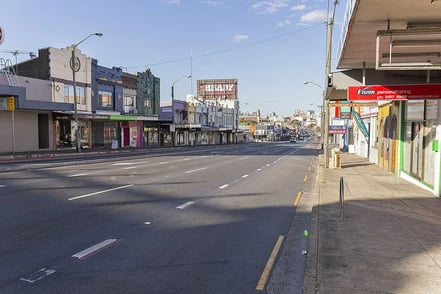
Image: Terraced Houses in Newtown by Michael Coghlan, CC BY-SA 2.0, via Wikimedia Commons (cropped).