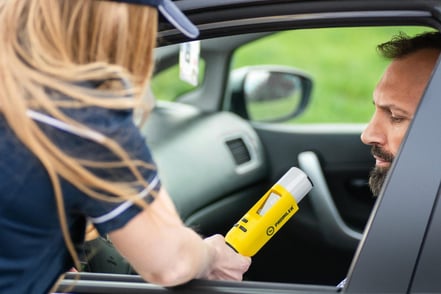
For many people, losing a driver licence is an inconvenience. For Uber drivers, Uber Eats, DoorDash and Menulog couriers, truck drivers, tradies and small business owners, it can mean losing their primary source of income overnight.
One of the first questions people ask is: “Is it worth appealing my licence suspension?”
The answer depends on three things:
- Is your suspension legally appealable?
- Do you have strong evidence?
- Will the benefit of appealing outweigh the cost?
Can You Appeal a Licence Suspension in NSW?
Many licence suspensions can be appealed to the Local Court under Part 7.8 of the Road Transport Act 2013 (NSW), particularly sections 266–268.
Common appealable suspensions include:
- speeding more than 30 km/h over the speed limit;
- speeding more than 45 km/h over the speed limit;
- certain immediate police suspensions;
- some alcohol and drug-driving suspensions; and
- demerit point suspensions affecting learner and provisional licence holders.
Not every suspension can be appealed. For example, unrestricted licence holders generally cannot appeal an ordinary demerit point suspension, and different rules apply to suspensions arising from a breached good behaviour period. Before spending money on legal fees, have the suspension notice reviewed to determine whether an appeal is actually available.
Is There a Work Licence in NSW?
A common misconception is that NSW offers a “work licence”.
It does not.
The Local Court cannot simply allow you to drive to work because you need your licence for employment. However, if your suspension is appealable, the effect it will have on your employment and family may be relevant when the Court exercises its discretion.
If you are an Uber driver, courier, tradie or business owner, the Court is likely to expect objective evidence—not simply a statement that you “need your licence”.
What Evidence Should You Bring?
Strong evidence can make a significant difference.
Depending on your circumstances, useful documents may include:
- employer letters;
- Uber or delivery earnings summaries;
- invoices or tax returns;
- evidence of mortgage or rent commitments;
- business records;
- proof that public transport is not a realistic alternative; and
- references demonstrating your character and driving history.
The stronger the evidence of genuine hardship, the better your prospects of presenting a persuasive case.
What Does the Law Say?
One of the leading decisions is Roads & Maritime Services v Staniforth [2017] NSWSC 158.
The Supreme Court confirmed that not every licence suspension can be challenged through a licence appeal and that an appeal is not an opportunity to re-argue whether you committed the original offence. Instead, the Court’s role is limited by the Road Transport Act 2013 (NSW). Choosing the wrong legal process can therefore result in an unsuccessful appeal regardless of the hardship suffered.
Should Uber Drivers and Delivery Drivers Appeal?
If your income depends almost entirely on driving, an appeal may be worth serious consideration.
This commonly includes:
- Uber drivers;
- Uber Eats drivers;
- DoorDash drivers;
- Menulog drivers;
- Amazon Flex drivers;
- taxi drivers;
- truck drivers; and
- couriers.
The Court may consider the financial consequences of losing your licence, but employment alone does not guarantee success. Every case depends on its own facts and evidence.
What About Tradies?
Electricians, plumbers, builders, landscapers, cleaners and other mobile trades often travel between multiple worksites carrying specialised tools and equipment.
If losing your licence would prevent you from working, provide evidence explaining:
- why driving is essential;
- why public transport is impractical;
- how many jobs would be affected; and
- the financial impact on you, your family or your employees.
Beware of Lawyers Charging Excessive Fees
Many people assume that because they are facing court, they must spend thousands—or even tens of thousands—of dollars on legal representation.
That is not always the case.
A straightforward licence suspension appeal is often a relatively contained Local Court matter. While every case is different, and some matters involve urgent applications, complex legal issues or multiple appearances, many appeals do not justify excessive or open-ended legal fees.
Before engaging a lawyer, ask:
- Is the fee fixed?
- What exactly is included?
- Will another fee be charged if the matter is adjourned?
- Is a barrister actually necessary?
- Are there any hidden costs?
The Legal Profession Uniform Law requires legal costs to be fair, reasonable and properly disclosed to clients. A higher fee does not necessarily mean better representation, just as the cheapest lawyer is not always the best choice. Look for a lawyer who is experienced in traffic law, transparent about costs and realistic about your prospects rather than someone who guarantees success or uses fear to pressure you into signing a costs agreement.
Is Appealing Worth It?
For many drivers, the answer is yes—particularly where losing a licence means losing employment or a business.
However, the key is obtaining advice early. A lawyer can determine whether your suspension is appealable, identify the strongest evidence, explain the applicable legal test and advise whether an appeal is likely to be worthwhile before you incur unnecessary legal costs.
At CM Lawyers, we regularly advise Uber drivers, delivery drivers, tradies, business owners and other NSW motorists facing licence suspensions. If your licence is essential to your livelihood, obtaining prompt legal advice may significantly improve your ability to make an informed decision before the suspension takes effect.
Facing a licence suspension? CM Lawyers advises NSW drivers, couriers and tradies on whether an appeal is available and what evidence is needed.
Speak to a lawyer
This article contains general information only and should not be relied upon as legal advice. Every licence suspension is different, and you should obtain advice specific to your circumstances.